Woks occupy a singular space within the kitchen. They’re not just pans; they’re vessels for excessive-heat drama, smoky aromas, and speedy, transformative cooking. If you’ve stood in entrance of a stovetop, agonizing among the heft of cast iron and the lighter touch of carbon metal, you already know this is not really a trivial decision. The fabric you decide shapes your stir-fries and your muscle memory. Let’s discover how weight tips the steadiness among forged iron and carbon steel woks—and why that concerns greater than maximum know.
The Feel in Your Hands
When you first decide up a wok, it’s no longer the glossy marketing copy or stylish curves that make an affect—it’s the weight. A standard 14-inch forged iron wok can tip the scales at eight to 12 pounds until now you even add oil or veggies. By assessment, a equivalent-sized carbon metallic wok typically weighs among 2 and four pounds.
This difference is rapid in the event you attempt tossing nutrition over excessive heat. Even seasoned chefs with mighty wrists will find non-stop tossing—and specifically single-exceeded stir-frying—handy with carbon steel. Cast iron needs greater electricity, %%!%%c9a36ba8-one thousand-4064-84d6-2077b3f90b59%%!%% requiring two arms for nontoxic maneuvering. For some dwelling cooks, tremendously those with smaller palms or less top frame energy, this distinction alone makes the selection noticeable.
Heat: Retention vs Responsiveness
Weight isn’t with regards to handling; it right away influences how a wok behaves less than fireplace.
Cast iron excels at maintaining onto warmness. Once scorching, it remains scorching. That’s why seared steaks develop such precise crusts on cast iron skillets—the same precept applies to woks. In prepare, because of this a forged iron wok can pressure by means of bloodless ingredients with out shedding temperature too shortly. However, it also capability slower preheating (anticipate a number of minutes for the wok to return as much as temperature) and slow cooling in case you overshoot.
Carbon metallic is nimble by contrast. It heats hastily and cools just about as instant when eliminated from the burner or exposed to chilly sauces. This responsiveness supplies knowledgeable cooks tight keep watch over over browning, stir-frying, or speedily preventing cooking after adding gentle additives like scallions or eggs.
In my very own kitchen, I succeed in for carbon metal when I wish to move right away—think flash-cooked vegetables or scrambled eggs with scallion oil—at the same time as I understand forged iron for sluggish-braised Chinese pink-cooked red meat or dishes where residual heat enables end off thicker cuts.
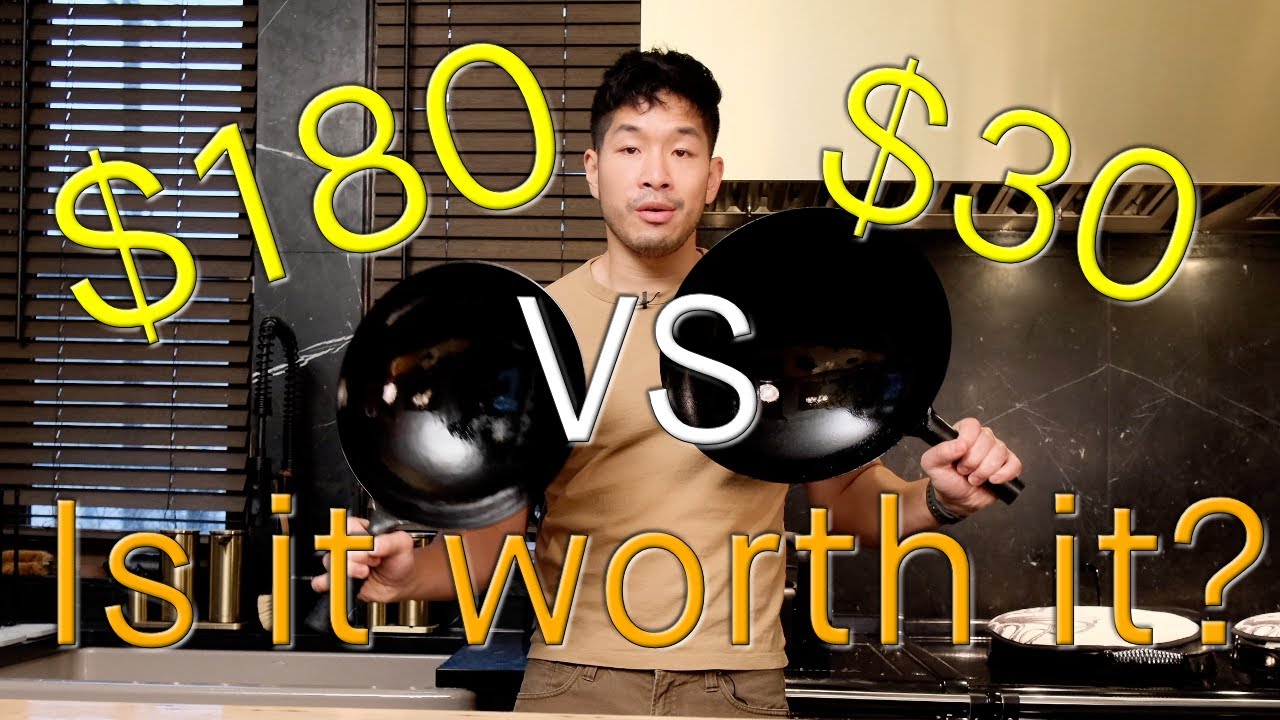
Stir-Fry Technique: Tossing and Turning
The basic Cantonese system consists of lifting and shaking the wok with one hand at the same time as shoveling foods with a spatula inside the other. Carbon metallic’s lightness makes this motion you can for extended sessions with no fatigue.
If you may have ever watched a professional chef at a Chinese restaurant, their woks are mainly properly-worn carbon steel versions. These cooks toss food continually, creating “wok hei”—that elusive smoky style prized in Chinese cooking—by exposing additives to extreme warm and open flame for just seconds at a time.
Try this for your self: raise equally varieties of woks while empty, then repeat when loaded with half of a pound of hen and chopped vegetables. Cast iron shortly sounds like a work out; carbon metallic sounds like an extension of your arm.
For dwelling house cooks with gas burners that don’t rival restaurant BTUs, this agility subjects even greater. You’ll depend on swift move to save you sticking and ensure even searing.
Seasoning: Building—and Keeping—a Nonstick Surface
Both elements strengthen nonstick characteristics by way of seasoning—a system of polymerizing oil on their surfaces—yet their weight modifications how seasoning behaves everyday.
A heavy forged iron wok with thick walls keeps hot spots longer, so seasoning layers tend to accumulate thicker and oftentimes patchier if now not cared for intently. It’s tons more durable to eliminate stubborn buildup on cast iron really because scrubbing one of these heavy pan is awkward, incredibly with two hands required to control the load.
Carbon metal’s thinner walls mean seasoning layers are always thinner however greater uniform in the event you take time to swirl oil flippantly throughout the time of initial seasoning. Maintenance is likewise less taxing physically. If seasoning flakes or will get sticky, scrubbing down a lightweight pan is brief work.
Over years of use, I’ve located my carbon metal woks increase a smoother patina with less elbow grease required for preservation in comparison to their heavier cousins.
Durability: Taking Abuse in Stride
The popularity of cast iron for sturdiness is famous: drop one on tile, and you threat cracking your floor prior to negative the pan. However, its very weight will likely be a liability if it slips out of your master or collides with an alternative pot.
Carbon metal woks are more forgiving if dropped—dents are you can still however cracks are infrequent. Their lighter construct also makes them less probable to chip countertops or ft if an twist of fate takes place. In restaurant settings wherein pace is paramount, this has lifelike outcomes: a cook who desires to change woks easily won’t risk harm or crisis with carbon metal.
Over time, each pans can ultimate decades with exact care. The purely caveat: carbon metallic can warp if left empty on high warmness too long, when solid iron can crack from unexpected thermal surprise (like rinsing a sizzling pan underneath bloodless water).
Cooking Styles: Matching Material to Dish
Not every recipe advantages similarly from either drapery. Here’s the place trip comes into play.
Certain Southern Chinese dishes—like dry-fried efficient beans or short-seared pork—are top finished with a lightweight carbon metal wok that responds at once to warmth adjustments. You https://blogfreely.net/zoriusvncz/pros-and-cons-of-cast-iron-woks-vs-carbon-steel-woks-qrf5 want fast evaporation, fierce sizzle, and minimum sticking.
Dishes that want stable, slight warm—feel simmered tofu with black bean sauce or Mapo Doufu—can profit from forged iron’s resilience opposed to temperature drops whilst chilly sauces are delivered.
I once attempted smoking tea leaves in both varieties of woks for tea-smoked duck: The cast iron saved smoke billowing longer however become tougher to fresh afterward considering the fact that tar developed up alongside heavy scorching spots; carbon steel misplaced warmness faster however was once more straightforward to wipe sparkling although nevertheless heat.
Stove Compatibility: Gas, Electric, Induction
The sheer mass of cast iron is helping it sit firmly on flat electric cooktops yet might possibly be unwieldy on smaller fuel burners where maneuverability things such a lot. On induction stoves, equally materials work if they have flat bottoms; some usual round-bottomed woks might also wobble or no longer make full contact until paired with an induction-like minded ring.
If you transfer %%!%%c9a36ba8-one thousand-4064-84d6-2077b3f90b59%%!%% or cook dinner outdoor over open flames (I’ve hauled my carbon metal wok to yard barbecues extra times than I can remember), portability favors carbon metallic anytime.

Price Points: Does Weight Cost More?
A nice forged iron wok %%!%%c9a36ba8-a thousand-4064-84d6-2077b3f90b59%%!%% expenses moderately extra than a similar carbon steel style, partially on account of uncooked subject matter expenditures and transport heavier merchandise. Expect access-level costs around $30 for average carbon metal woks, climbing to $80 or extra for premium brands like Joyce Chen or hand-hammered units from China. Cast iron woks commonly bounce round $40 and reach $one hundred twenty or upper for enameled or artisan-made portions.
However, fee ameliorations directly fade when measured against years—generally a long time—of use. Many house cooks inherit woks from oldsters or grandparents; my circle of relatives’s battered carbon steel pan has outlasted almost each and every nonstick skillet we ever owned.
Cleaning Up: After Dinner Realities
No be counted how perfectly nonstick your wok will become, cleanup is inevitable. Here’s where weight all over again makes itself familiar.
After a protracted night cooking for associates, even potent fingers tire of hoisting a heavy cast iron pan to rinse below the faucet. Scrubbing sticky sauces out of crevices while balancing such bulk over a sink facet can also be awkward at most suitable—and downright volatile if rainy arms lose their grip.
A carbon steel wok rinses refreshing with little effort, requiring handiest hot water and probably a delicate sponge if bits stick. Its lightness skill less stress on wrists and no worry of shedding it mid-cleanup.
For anybody with restrained house or mobility troubles, those ameliorations count day-by-day.
Edge Cases: When Cast Iron Wins
While a good deal of glossy recommendation leans closer to carbon metallic for commonplace stir-frying, there are moments whilst forged iron shines precisely attributable to its heft:
- Deep-frying: The mass stabilizes oil temperature after including chilly foods. Tabletop hot pot: Retains warm temperature longer off direct warm. Bread baking: Some use large forged iron woks inverted as dome-fashioned baking cloches. Outdoor fireplace pits: Stands as much as direct coals more effective than thinner pans. Smoked dishes: Maintains low-and-sluggish temperatures for expanded durations.
In these occasions, what feels burdensome throughout instant-paced cooking becomes an asset all the way through gradual approaches.
Comparing Cast Iron Wok vs Carbon Steel: Quick Reference Table
| Factor | Cast Iron Wok | Carbon Steel Wok | |-------------------|------------------------------|---------------------------| | Weight | Heavy (eight-12 lbs) | Light (2-4 lbs) | | Heat Retention | Excellent | Moderate | | Heat Responsiveness| Slow | Fast | | Seasoning | Builds thickly | Builds uniformly | | Handling | Two arms %%!%%c9a36ba8-a thousand-4064-84d6-2077b3f90b59%%!%% wanted | One hand delicate | | Durability | Chip/crack possibility from shock | Can warp however infrequently cracks| | Price | Moderate to top | Affordable to average | | Cleanup | More attempt | Easy | | Best for | Deep-frying, gradual braises | Stir-frying, instant sears |
Tips for Making Your Choice
Choosing among solid iron and carbon metal comes right down to straightforward mirrored image on your cooking conduct, bodily comfort, and kitchen setup. Here are five questions really worth all for:
How %%!%%c9a36ba8-a thousand-4064-84d6-2077b3f90b59%%!%% do you intend to toss or stir-fry vigorously? Do you've gotten higher body electricity concerns or wrist affliction? Is your simple stove fuel, electrical, or induction? Do you prepare dinner dishes requiring long, steady warmness retention? How lots attempt are you prepared to spend on maintenance?Answering these questions sincerely will ebook most chefs closer to their ideal pan devoid of feel sorry about.
Voices From Real Kitchens
In New York’s Chinatown eating place kitchens, battered carbon metal woks dominate for pure speed and keep an eye on. In my loved ones’s dwelling house kitchen, an historic forged iron wok holds delight of vicinity for Sunday hot pots—a nod to our roots in northern China, in which shared nutrition linger and warmth lingers longer still.
One chum with arthritis in her hands reluctantly gave up her grandmother’s cast iron pan for a glossy carbon metal fashion after one too many spills—she now stirs with no trouble and says she cooks more %%!%%c9a36ba8-one thousand-4064-84d6-2077b3f90b59%%!%% as a end result. Another chef I be aware of swears with the aid of his old cast iron wok for Sichuan dry-braised dishes since it “simply feels correct” after a long time of use.
These experiences underscore what matters most: your pan need to in good shape your life, now not just your recipes.

Final Thoughts: Weight as More Than a Number
The collection among solid iron and carbon steel woks runs deeper than subject material science or culinary tradition. Weight influences each and every second from prep to cleanup—not basically how neatly meals cooks however additionally how %%!%%c9a36ba8-one thousand-4064-84d6-2077b3f90b59%%!%% you succeed in for the pan within the first situation.
If possible, tackle equally versions in adult prior to paying for. Trust your instincts about what feels precise in your fingers and suits your routines. There isn't any normal winner—solely what works preferrred for you, evening after night, as dishes sizzle and smoke rises out of your personal range.