A stable wok sits at the coronary heart of endless kitchens, from bustling eating place lines to house stovetops. It’s extra than a pan - it’s a tool that shapes the taste and texture of meals in pleasing ways. If you’re opening your stir-fry adventure, you’ve probable chanced on the controversy: cast iron wok or carbon metallic wok? The determination isn't always essentially lifestyle or rate, however about the way you cook, what you would like from your foodstuff, and what kind of staying power you've gotten for maintenance.
The Wok’s Role in Everyday Cooking
Woks earn their popularity by means of versatility. The sloped aspects and deep basin encourage tossing, immediate stir-frying, deep-frying, steaming, or even smoking foodstuff. But the materials - cast iron or carbon metal - ameliorations how warm strikes, how nutrition browns, and how much effort you’ll invest in care.
Early in my cooking days, I picked up a affordable cast iron wok at an Asian marketplace, charmed by way of its heft and rustic look. Years later, I was gifted a carbon metal wok through a pal who swore by way of its responsiveness. Between these two pans, I’ve made every part from fiery Sichuan stir-fries to comfortable Cantonese steamed fish. Along the manner, I realized that no single wok is appropriate for all people, yet working out the adjustments supports you decide properly.
Cast Iron Woks: Substance and Stability
Cast iron woks consider strong inside the hand. They are typically thicker and heavier than their carbon metal siblings, which comes with truly upsides and a few drawbacks.
Heat Retention and Even Cooking
Cast iron excels at protecting warm. Once sizzling, it remains sizzling, which is effective for searing meat or keeping oil at a consistent temperature for deep-frying. I’ve used my forged iron wok to cook batches of fried rooster, and the oil bounced to come back fast after each one addition, resulting in even browning.
On the flip area, solid iron heats up slowly and responds sluggishly to transformations in burner power. Quick variations - so relevant for wok cooking - might be tricky. If you toss in cold greens, the temperature can drop, and the pan takes longer to get well. For recipes that call for swift, top-warmness stir-frying (feel traditional Cantonese chow a laugh), this lengthen could make food steam rather than fry.
Durability and Care
One simple power of solid iron is its toughness. These woks can remaining generations if cared for correctly. I’ve considered relations heirlooms blackened from decades of use but still as purposeful as ever. That suggested, forged iron is brittle as compared to metallic. Drop it on a demanding ground, and also you probability cracks.
Seasoning is a must have. Uncoated cast iron develops a organic nonstick floor through the years, yet it calls for recognition - thorough drying after washing, occasional oiling, and vigilant safeguard from rust. https://remingtonbjwk979.raidersfanteamshop.com/seasoning-secrets-cast-iron-wok-vs-carbon-steel-maintenance-6 A professional solid iron wok resists sticking, but new pans commence rough and desire time to accumulate a patina.
Weight and Ergonomics
Cast iron woks are heavy. A everyday 14-inch adaptation can weigh six kilos or extra, making one-surpassed tossing complex or even impossible. For a few chefs, highly those with wrist or arm considerations, this weight turns into an obstacle. If you plan to move your wok right now from range to table or use it for generic tossing, recall whether you’re snug with its heft.
Carbon Steel Woks: Speed and Responsiveness
Carbon metallic woks have develop into the gold commonly used in Chinese restaurants for sturdy reasons: they’re faded, short to warm, and extraordinarily responsive.
Fast Heating and Control
A thin carbon metal wok heats up speedily and cools down just as swift. When you switch up the burner, you consider it close to without delay in the sizzle of aromatics. This responsiveness is essential for stir-fries, in which control over heat makes the complete big difference among crisp-comfortable vegetables and limp ones.
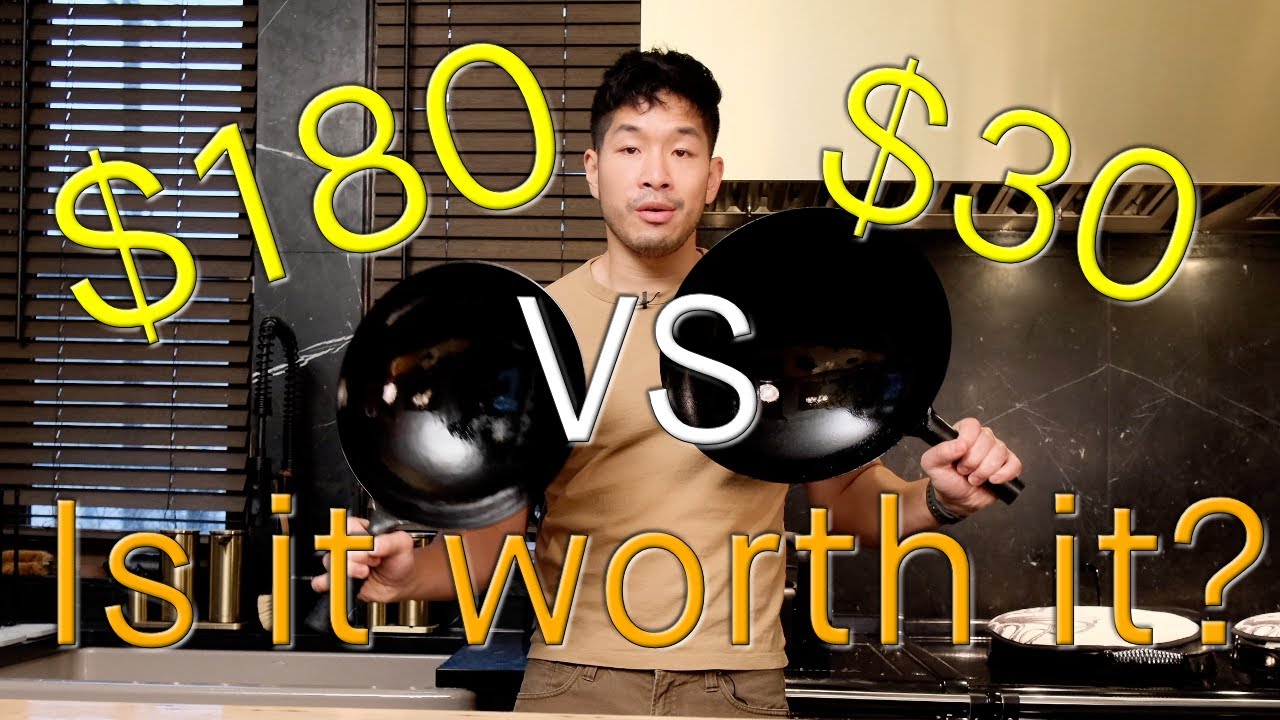
At dwelling, I use carbon metallic when making dishes like Kung Pao hen or shrimp with snow peas - recipes in which timing and properly temperatures count. The skill to go the wok off and on the flame simply facilitates steer clear of burning garlic or overcooking comfortable ingredients.
Seasoning: The Living Surface
Like forged iron, carbon metal woks require seasoning to strengthen a stick-resistant end. The course of is comparable: refreshing accurately, warm unless smoking warm, then rub with oil and repeat a couple of instances. The patina starts as golden brown and darkens with use.
Unlike smooth nonstick pans, carbon steel’s pro layer improves with each and every meal. After a few months of known cooking, my wok developed a glittery black sheen that launched even scrambled eggs with minimal sticking. This surface, alternatively, calls for admire - harsh scrubbing or acidic ingredients can strip away seasoning.
Weight and Handling
Carbon metal woks are almost always mild - a 14-inch type may well weigh less than 3 pounds. I uncover tossing and swirling meals plenty more straightforward with those. Many have a single long tackle (“Northern taste”), which affords leverage for stirring or flipping foodstuff with minimal probability of wrist fatigue.
The lightness additionally ability those woks heat unevenly on weak burners or electric powered stoves. With gas or excessive-output induction, despite the fact that, they shine.
Comparing Cast Iron and Carbon Steel: Head-to-Head
Let’s observe how those two resources stack up throughout key dimensions:
| Feature | Cast Iron Wok | Carbon Steel Wok | |--------------------|:---------------------------------|:-------------------------------| | Weight | Heavy (continuously 6 lbs+) | Light (pretty much 2-three lbs) | | Heat Retention | Very excessive | Moderate | | Responsiveness | Slow to warmth/cool | Very brief | | Seasoning Needed | Yes | Yes | | Nonstick Ability | Excellent with time | Excellent with time | | Durability | Can final generations | Can remaining years/many years | | Rust Potential | High if neglected | High if ignored | | Price Range | $20-$eighty | $20-$60 | | Handle Styles | Two loop handles (“Southern”) | Loop or single lengthy cope with |
This desk can provide a image, yet proper-global revel in provides nuance. For example, a few progressive forged iron woks come pre-seasoned or with enameled coatings - those withstand rust yet don’t advance the identical nonstick layer as regular seasoning.
Cooking Techniques: Does Material Change the Food?
The fabric below your stir-fry impacts the whole lot from taste to texture. In my kitchen tests, I seen subtle modifications:
Stir-Frying: Carbon metallic wins for sheer pace and regulate. When making red meat chow a laugh, the carbon steel wok creates “wok hei” - that elusive smoky flavor prized in Chinese cooking - extra comfortably since it tolerates prime warmth and fast move.
Deep-Frying: Here, cast iron comes into its very own. Its thermal mass assists in keeping oil continuous among batches. I once made sesame white meat lower back-to-lower back in each woks; the cast iron produced greater regular crusts with less temperature fluctuation.
Steaming and Smoking: Both supplies work, but carbon steel’s lighter weight makes lifting off heavy bamboo steamers plenty less demanding.
Nonstick Performance: After months of well-known use and seasoning, the two woks free up delicacies with little effort. However, acidic dishes (like tomato-established sauces) can eat into seasoning on either kinds, so I stay clear of them except I’m capable to reseason the wok afterward.
Maintenance Realities: What It Takes to Keep Each Wok Happy
Woks demand more care than chrome steel pans or sleek nonstick cookware. Both solid iron and carbon metallic proportion some quirks:
- Wash purely with hot water and a smooth sponge - cleaning soap can strip seasoning. Dry accurately after washing to evade rust. Apply a skinny layer of oil before storing. Avoid long soaks or acidic meals unless you propose to re-season.
Where they fluctuate: cast iron is even extra touchy to moisture. Early on, I left my cast iron wok damp overnight by using twist of fate; the next morning, orange rust freckles had bloomed across its floor. Lesson learned: continuously dry with warmth and oil after each wash.
If you prefer to cut maintenance, a few manufacturers now promote pre-seasoned or coated woks. These decrease preliminary attempt yet also can under no circumstances develop the deep patina of common seasoning.
Stove Compatibility: Not Every Wok Fits Every Kitchen
Classic circular-bottomed woks are designed for potent gasoline burners with wok rings - the sort stumbled on in Chinese eating places or backyard setups. If you've gotten a flat electric powered or induction range at abode, flat-bottomed variations exist in both solid iron and carbon metallic.
From my own trials, carbon metal flat-bottomed woks adapt improved to electrical or induction levels due to the fact they sit flush with the heating component and don’t take as long to warmness up. Cast iron flat-bottomed woks work too however think lumbering on weaker burners thanks to their mass.
For gas stoves with ample BTUs (ideally 15,000 or above), either form works good with a wok ring or direct touch.
Buying Tips: What to Look for in Each Type
With so many brands and value issues, how do you determine? Here’s a brief tick list of what things maximum:
Before You Buy: Essential Considerations
Weight and Feel: Visit a shop if viable. Pick up every single wok classification to peer what feels comfortable for your palms and wrists. Size: For homestead use, 12 to 14 inches is flexible. Larger sizes are unwieldy until you’re cooking for crowds. Handle Style: Decide among loop handles (outstanding for oven use or steaming) and lengthy handles (more beneficial for tossing and immediate stir-fries). Pre-pro vs Raw: Beginners may pick pre-pro woks to skip the initial seasoning step. Price: Good carbon metal woks are by and large less high-priced than solid iron and provide more effective first-class at shrink rates.My Experiences: Learning Through Use
When I first commenced cooking Chinese food at residence, I notion heavier supposed more effective. My solid iron wok seared superbly yet challenged my wrists. After switching to carbon steel, I enjoyed the liberty to toss substances with one hand and adjust warm with the opposite. However, I nonetheless return to my outdated cast iron wok for dishes that require secure warm or longer cooking instances.
I’ve additionally saw that my carbon steel wok improves with use - after about 20 nutrition, it stopped sticking completely. The solid iron took longer to glossy out however now releases delicacies just as absolutely.
Friends with alternative kitchens have stated assorted studies. One swears with the aid of her carbon metallic wok on an induction cooktop; an alternate prefers solid iron for backyard grilling and campfire cooking as a result of its resilience.
Which Should You Choose?
There’s no regular reply. Your range category, cooking kind, and willingness to protect seasoning all come into play.
If you wish quick stir-fries and crave wok hei, and feature a potent fuel burner or induction range, carbon metal looks like an extension of your hand after just a few uses. If you deep-fry typically or just like the conception of passing down cookware for your grandchildren, solid iron deals stability and heritage.
Most skilled cooks who love wok cooking come to be possessing both - every one brings a thing distinct to the desk. If you will have to decide one as a beginner, carbon steel is mostly extra forgiving and flexible for day to day use.
Final Thoughts: Start Cooking and Build Your Own Patina
No remember which material you favor, because of your wok usually concerns extra than agonizing over an appropriate determination. Season it neatly, cook dinner almost always, and allow it evolve with you. Both solid iron and carbon steel praise endurance and practice - soon enough, you’ll have a wok that tells your own tale with the aid of each meal.
If you’re nonetheless in doubt, borrow or tackle either versions beforehand buying. Cooking is absolutely not simply technological know-how however craft; solely revel in reveals what feels properly in your fingers and fits your behavior most appropriate.

Whichever course you take within the forged iron wok vs carbon steel debate, savour the manner - your preferable food are yet to return.